


Kala Patthar, which rises to 5,545 meters (18,192 feet) in elevation, is usually recognized as Nepal’s best view of Mount Everest. Located above Gorakshep in the Khumbu region, this iconic Himalayan ridge provides trekkers with an unparalleled panoramic view of Everest, Lhotse, Nuptse, Pumori, and the Everest region’s surrounding peaks.
For many trekkers, reaching Kala Patthar is the ultimate goal of the Everest Base Camp Trek. While Everest Base Camp has historical and emotional significance, the enormous Khumbu Icefall partially hides Mount Everest’s peak from the base camp region. Kala Patthar offers the unimpeded vista that most travelers desire. Kala Patthar, surrounded by glaciers, high-altitude valleys, prayer flags, and snow-covered Himalayan giants, offers one of the world’s most unique mountain experiences.
Where is Kala Patthar located?
Kala Patthar is located in Nepal’s Khumbu region, within Sagarmatha National Park, a UNESCO World Heritage Site known for its breathtaking Himalayan scenery and vibrant Sherpa culture. The viewpoint is located just above Gorakshep, the final hamlet on the Everest Base Camp trekking route, on Pumori’s southern crest. Trekkers from Kala Patthar can enjoy stunning close-up views of:
- Mount Everest
- Lhotse
- Nuptse
- Ama Dablam
- Pumori
- Khumbu Glacier
Meaning of Kala Patthar
The term “Kala Patthar” means “Black Rock” in Nepali. The viewpoint was given this name because of its dark-colored rocky topography, which contrasts strikingly with the surrounding snow-covered Himalayan peaks.
Kala Patthar is now widely regarded as one of the most famous trekking overlooks in the Himalayas, and it is an integral component of the Everest Base Camp trekking experience.
Why Is Kala Patthar So Famous?
Kala Patthar is recognized for providing the best accessible view of Mount Everest without having technical mountaineering skills. Unlike Everest Base Camp, where Everest is partially obscured, Kala Patthar offers a direct panoramic view of the world’s tallest peak rising above the Khumbu Glacier.
The viewpoint is most popular around daybreak, when golden morning light illuminates Everest and the surrounding peaks in hues of yellow, orange, and pink. Kala Patthar is one of Nepal’s most rewarding trekking destinations, because to its magnificent Himalayan beauty, high elevation, and emotional challenge.
Standing at Kala Patthar is a defining moment for photographers, trekkers, and adventure tourists on their Everest journeys.
Trekking routes to Kala Patthar
1. Everest Base Camp Trek via Lukla.
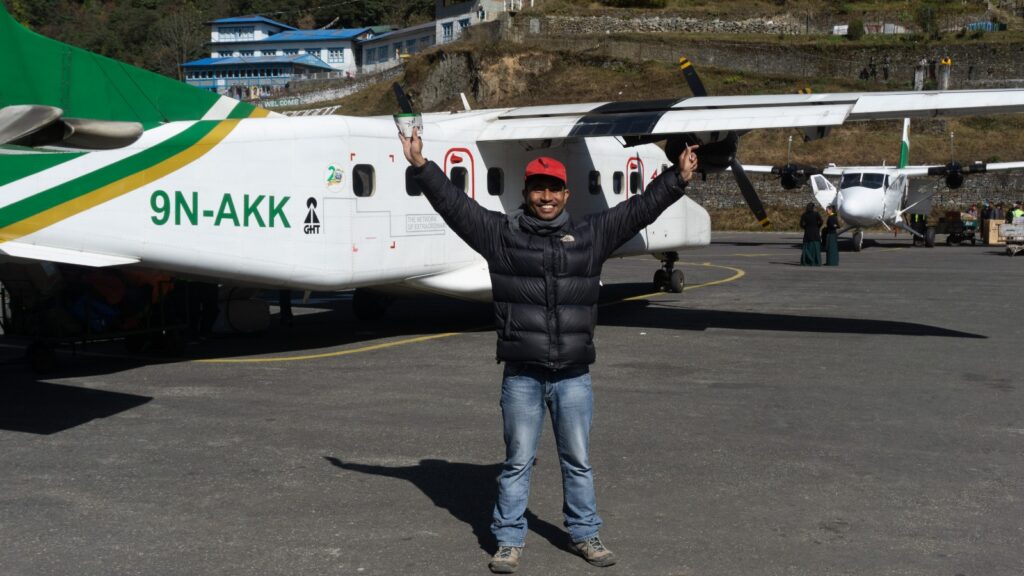
The most popular route to Kala Patthar starts with a mountain flight from Kathmandu to Lukla. Trekkers leave Lukla on the famous Everest Base Camp trekking trail, which passes through traditional Sherpa communities and high Himalayan vistas.
Popular stops on the route include:
- Phakding
- Namche Bazaar
- Tengboche Dingboche Lobuche Gorakshep
This route combines Himalayan grandeur, Sherpa culture, monasteries, suspension bridges, glaciers, and alpine panoramas to provide an amazing trekking journey.
Trek Duration:
12-16 days round trip.
Difficulty
Moderate to difficult due to altitude.
2. Classic Jiri-Everest Route
Trekkers looking for a lengthier and more traditional Everest experience can start at Jiri, following the old route taken by early Everest expeditions before Lukla Airport was built.
This path leads through rural villages, forests, terraced fields, and traditional Himalayan communities before joining the main Everest Base Camp trail near Namche Bazaar.
Highlights
- Excellent acclimatization profile.
- Rich native culture and rural life.
- Less busy pathways.
- Traditional Everest Trekking Experience
Trek Duration:
18-24 days round journey.
3. Everest Helicopter Tour.
Travelers with limited time can also visit the Everest region via helicopter. Helicopter flights from Kathmandu or Lukla provide breathtaking aerial views of glaciers, mountains, valleys, and Mount Everest itself.
Depending on the weather and operational conditions, helicopters may land near Kala Patthar or Everest View locations for brief scenic breaks and photo opportunities.
Highlights
- No extensive treks are required.
- Stunning aerial Himalayan views
- Perfect for luxury tourists and short getaways.
- Minimal physical exertion is required.
Climb from Gorakshep to Kala Patthar.
The last ascent to Kala Patthar begins at Gorakshep, at an elevation of 5,164 meters.
Despite the short distance, the ascent is physically hard due to the high elevation. The track is made up of rocky roads, steep uphill stretches, and exposed territory influenced by chilly Himalayan winds.
At elevations above 5,500 meters, oxygen levels are much lower than at sea level, making every step more arduous. Trekkers are urged to walk slowly, stay hydrated, and keep a consistent pace during the climb.
Average Climbing Time.
1.5–3 hours from Gorakshep.
Essential Gear
- Warm down jacket.
- Gloves and Thermal layering
- Trekking poles
- To climb at sunrise, bring a headlamp, sunglasses, and sunscreen.
Proper acclimatization is essential before trying Kala Patthar.
Sunrise from Kala Patthar.
Sunrise is considered the finest time to visit Kala Patthar.
Most trekkers start their climb before sunrise. As the first sunlight reaches Everest’s top, the surrounding mountains gradually light up in spectacular tints of gold, orange, pink, and white.
The panoramic vista from Kala Patthar at daybreak is often regarded as one of the best mountain views in the world.
On clear mornings, trekkers can see:
- Mount Everest
- Lhotse
- Nuptse
- Pumori
- Changtse
- Khumbu Glacier and Icefall
The tranquil Himalayan atmosphere, mixed with the stunning dawn, results in an amazing trekking experience.
Best time to visit Kala Patthar.
The ideal seasons for trekking to Kala Patthar are:
Spring (March – May)
- Rhododendrons bloom at lower elevations.
- Moderate temps.
- Clear mountain view.
Autumn (September–November)
- Stable weather conditions
- Crystal-clear Himalayan visibility
- Best photographic circumstances
Winter trekking is possible, although temperatures drop exceedingly low, and the monsoon season brings clouds, rain, and reduced mountain vision.
Accommodation and Teahouse Experience
Traditional tea houses run by local Sherpa families provide the majority of accommodation along the Everest Base Camp trek.
Trekkers should expect the following:
- Simple but comfortable rooms.
- Warm dining halls.
- Hot meals and beverages
- Wi-Fi in some villages.
- Charging facilities
- Hot baths at lower altitudes
Because of the remote nature of the high-altitude environment, higher communities such as Lobuche and Gorakshep provide more minimal amenities.
Food along the trek
Teahouses on the trail serve a variety of trekking meals, including:
- Dal Bhat (typical Nepalese food)
- Tibetan Bread
- Noodle Soup
- Fried Rice
- Pasta with potatoes
- Tea, Coffee, and Hot Ginger Tea
Dal Bhat remains the most popular trekking supper since it provides plenty of energy for long mountain hikes.
Important Altitude Information
Kala Patthar reaches very high elevations, hence good acclimatization is required.
Trekkers should be aware of the signs of acute mountain sickness (AMS), which include:
- Headache and dizziness
- Nausea and fatigue.
- difficulty breathing
If symptoms become severe, immediate descending is definitely advised.
Travel insurance that covers high-altitude trekking and helicopter evacuation is strongly recommended for all Everest region trips.
Photography Opportunities
Kala Patthar is one of Nepal’s top photography attractions. The mix of Everest views, glaciers, prayer flags, sunrise light, and magnificent Himalayan landscapes provides countless chances for landscape and travel photography.
Popular photo subjects include:
- Sunrise over Everest.
- Khumbu Glacier with prayer flags at the summit
- Everest Base Camp region
- Himalayan night skies
- Sherpa Trekking Trails
Autumn and spring often provide the clearest conditions for mountain photography.
Final Experience
Reaching Kala Patthar entails more than just arriving at a vista. It marks the end of days spent walking through woods, communities, glaciers, rivers, and high Himalayan sceneries beneath the world’s tallest mountains.
For many people, seeing Everest from Kala Patthar is one of the most emotional and memorable experiences of their lives.
The quiet of the mountains, the chilling Himalayan wind, the bright sunrise above Everest, and the sense of success combine to produce an experience that lasts long after the trek is completed.


