

Tibet Tours
There are places you visit and places you will remember forever. Tibet Tours belongs to the second category. Tibet, located high on the world’s largest and tallest plateau, is a place of amazing contrasts. Snow-covered Himalayan peaks tower over broad pastures, ancient monasteries cling to precipitous cliffs, and colorful prayer flags fly ceaselessly against deep blue skies. Spirituality is intertwined with everyday life here, and each mountain, lake, and valley holds centuries of stories, legends, and devotion.
Tibet is known as the “Roof of the World,” with an average elevation of more than 4,000 meters (13,000 feet) above sea level. This isolated and enigmatic country has captivated visitors, pilgrims, explorers, and adventurers for generations. Tibet offers unique experiences, from the stately Potala Palace and sacred Mount Kailash to crystal-clear high-altitude lakes and centuries-old monasteries.
A Tibet Tours is more than just a holiday. It is an immersion into a distinct civilization in which Buddhist philosophy, magnificent scenery, and old customs continue to influence daily life. Whether you’re looking for spiritual enlightenment, cultural learning, photography opportunities, or Himalayan adventure, Tibet promises to challenge, inspire, and transform you.
Why is Tibet Tours Truly Unique?
Many destinations have mountains. Others offer culture. A few provide spirituality. Tibet has all three in their purest forms. Tibet’s uniqueness is not limited to its altitude or natural beauty. Time seems to move differently here. Modern life exists, yet traditional traditions have been remarkably preserved. Monks still sing scriptures that have been passed down through generations. Pilgrims travel hundreds of kilometres to sacred destinations. Nomadic families continue to herd yaks across windswept grasslands, much as their forefathers did generations before.
The region’s remoteness has helped to preserve one of the world’s most unique cultures. Tibetan Buddhism pervades almost every element of life, from architecture and art to festivals and daily rituals. Prayer wheels turn in hamlet squares, incense fills monastery halls, and devotion is evident everywhere. Visitors are frequently astonished by the profound sense of serenity they encounter in Tibet. The calm of the high plateau, the boundless horizons, and the simplicity of existence create an atmosphere conducive to introspection and mindfulness.
Geography and Landscape of Tibet
Tibet is one of the world’s most stunning geographical locations. The Tibetan Plateau, which covers around 2.5 million square kilometers, is commonly referred to as the “Third Pole” since it has the greatest ice stores outside of the Arctic and Antarctic.
The plateau is bordered by some of the world’s most impressive mountain ranges, including the Himalayas, Karakoram, Kunlun, and Trans-Himalayan. These natural constraints have formed Tibet’s distinct ecology and cultural development over thousands of years.
Several of Asia’s most major rivers begin in Tibet, including the Brahmaputra, Indus, Mekong, Yangtze, and Yellow. These rivers supply water to billions of people around the continent.
Tibet’s landscapes are immensely diverse. Travelers can experience:
- Snow-covered Himalayan peaks.
- Vast alpine grasslands
- High-altitude deserts.
- Deep river valleys.
- Sacred Lakes
- Glacial areas
- Remote mountain passages.
Each region provides a unique viewpoint on Tibet’s natural splendor.
Lhasa, the spiritual heart of Tibet
No trip to Tibet is complete without visiting Lhasa, the region’s historical and spiritual capital. For centuries, Lhasa has been the heart of Tibetan Buddhism and political activity. The city’s name translates to “Place of the Gods,” and it remains one of Asia’s most important pilgrimage sites. The spectacular Potala Palace, a UNESCO World Heritage Site and former winter palace of the Dalai Lama, dominates the skyline. The castle rises impressively above the city and houses thousands of apartments, sacred treasures, chapels, and magnificent works of art.
Equally significant is the Jokhang Temple, which is regarded the most sacred temple in Tibetan Buddhism. Pilgrims travel from all across Tibet to offer prayers, prostrate, and walk the Barkhor Circuit, which surrounds the temple. Walking through Lhasa’s historic streets offers a unique view into Tibetan culture. Traditional Tibetan residences, incense-filled monasteries, busy shops, and chanting pilgrims create a unique atmosphere unlike any other city in the world.
Sacred Lakes of Tibet
Tibet is home to some of the world’s most stunning and spiritually significant lakes.
Yamdrok Lake
Yamdrok Lake is famed for its bright turquoise waters and breathtaking mountain scenery. The lake is considered sacred by Tibetans and is thought to have mystical power that protects the region.
Its changing colors throughout the day provide excellent photo opportunity.
Namtso Lake
Namtso, sometimes known as the “Heavenly Lake,” is among the world’s highest saltwater lakes.
At an elevation of about 4,700 meters, it provides breathtaking views of snow-capped mountains and limitless skies. The lake draws pilgrims who make spiritual excursions around its banks.
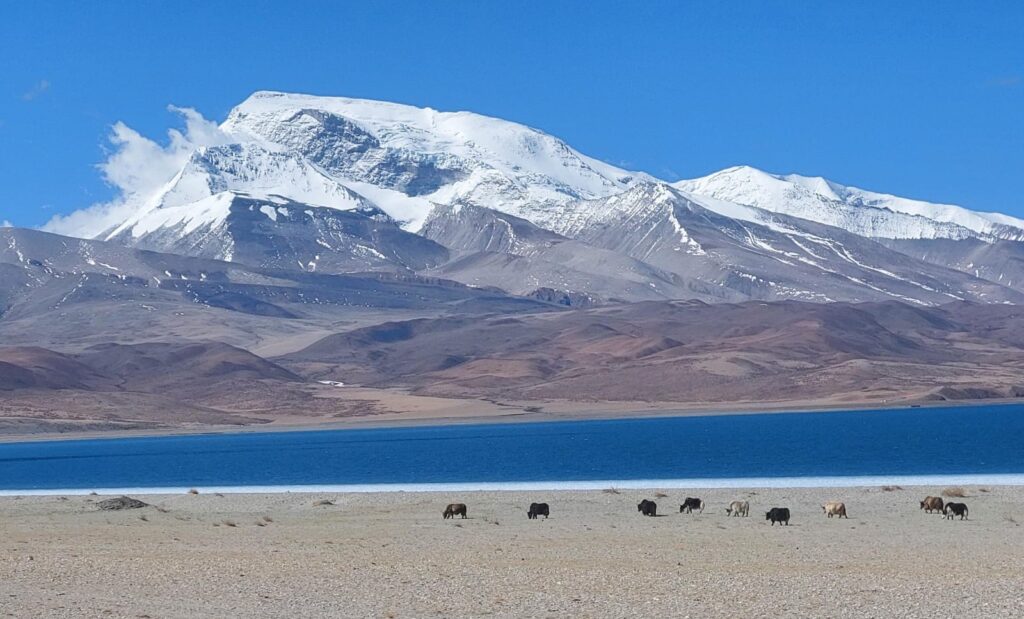
Hindus, Buddhists, Jains, and Bon practitioners all venerate Manasarovar, which is perhaps Asia’s most sacred lake. Pilgrims believe that swimming in its holy waters cleanses negative karma and bestows spiritual benefit. The lake’s serene environment, along with views of Mount Kailash, provides a profoundly spiritual ambiance.
Mount Kailash is the world’s most sacred mountain.
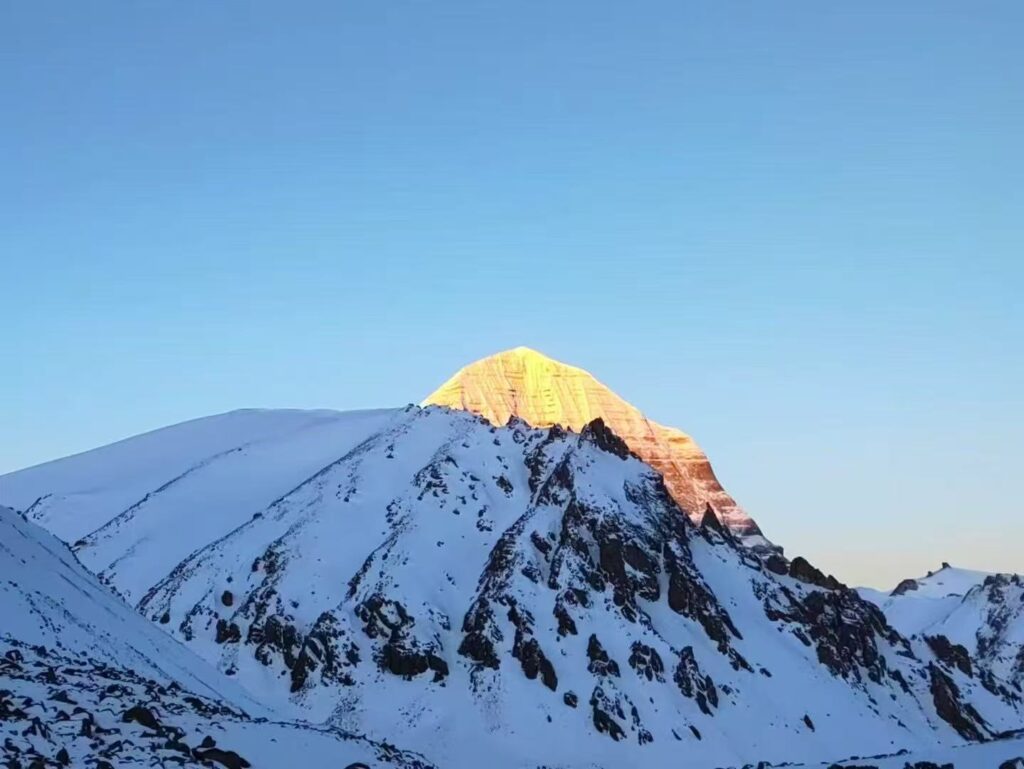
Millions of people regard Mount Kailash as the greatest spiritual destination. Unlike Everest, which draws climbers, Mount Kailash remains unclimbed due to its hallowed status. Hindus think it is Lord Shiva’s residence, Buddhists believe it is the center of the cosmos, and Jains consider it a location of enlightenment.
Pilgrims complete a sacred circuit known as the Kora around the peak. This strenuous walk spans 52 kilometers and includes the high-altitude Dolma La Pass. Completing the Kora is thought to cleanse sins and bestow spiritual blessings. Many pilgrims believe it is the most meaningful journey of their lives.
Monasteries and Spiritual Living
Tibetan monasteries are far more than religious structures. They are hubs for education, culture, philosophy, and communal life.
Visitors to Tibet can explore historic monasteries that have preserved millennia of spiritual knowledge.
Monastic life is structured around prayer, study, debate, and meditation. Monks spend years studying Buddhist theory and practicing compassion.
Visitors may witness:
- Morning Prayer Ceremonies
- Monastic arguments.
- Meditation sessions.
- Traditional Rituals
- Sacred chanting at religious events.
The serene ambiance of these monasteries provides a comprehensive understanding of Tibetan spirituality.
Tibetan Culture & Traditions
Culture remains one of Tibet’s most valuable assets. Traditional Tibetan society values community, respect, compassion, and spiritual practice. Family relationships are still strong, and religious values shape many parts of daily life. Prayer flags, prayer wheels, butter lamps, and spiritual symbols can be seen across the region. These traditions express a worldview that emphasizes harmony among humans, nature, and the spiritual realm. Music, dancing, storytelling, and religious festivals all play essential roles in sustaining Tibetan culture.
Tibetan Food and Cuisine
Tibetan food reflects the difficulties of life at high elevations. Tsampa, roasted barley flour combined with butter tea, is the primary cuisine. It is nutritious, easy to cook, and suitable for the tough climate.
Popular Tibetan cuisine include:
- Yak meat
- Tibetan Noodles
- Momos (dumplings)
- Thukpa (Noodle Soup)
- Yak yogurt
- Butter Tea
Meals are often simple but hearty, intended to offer energy in severe situations.
Festivals and Celebrations
Tibet’s festivals are vivid displays of faith and culture.
Losar (the Tibetan New Year)
Losar is the most important holiday of the year, including prayers, traditional dances, family meetings, and religious rites.
Saga Dawa Festival.
This religious event honors the birth, enlightenment, and death of Buddha. Thousands of pilgrims visit sacred sites to perform rituals and gain spiritual merit.
Monastic Festivals
Many monasteries conduct elaborate masked dances known as Cham dances, which represent the victory of wisdom over ignorance.
Wildlife and Nature
Despite its tough climate, Tibet has incredible fauna.
Species include:
- Tibetan antelope
- wild yak
- snow leopard
- Tibetan fox
- Himalayan blue sheep
- black-necked cranes.
Protected areas contribute to the conservation of these unique creatures and their vulnerable ecosystems.
Weather and best time to visit Tibet
The best time to visit Tibet is between April and October.
Spring (April–May)
- Pleasant temps.
- Clear mountain vistas.
- Blooming landscapes.
Summer (June–August)
- Warmest season.
- Perfect for sightseeing.
- Most festivals occur.
Autumn (September–October)
- Stable weather
- Excellent visibility.
- Peak travel season.
Winter (November–March)
- Extremely cold.
- Fewer tourists.
- Unique cultural experiences
Altitude and Health Considerations
Altitude is one of the most difficult challenges for tourists.
Acclimatization is required for the majority of Tibet’s attractions, which are more than 3,500 meters above sea level.
Tips include:
- Ascend gradually.
- Stay hydrated.
- Avoid alcohol.
- Rest during the first few days.
- Consult a doctor before traveling.
Proper preparation considerably lowers the risk of altitude sickness.
Travel Permits and Entry Requirements
In addition to a Chinese visa, travelers to Tibet must get additional authorization. Most passengers must book through authorized tour companies, who handle permits and transportation. Permit requirements vary by destination and nationality, therefore it is best to plan ahead of time.
Final thoughts: A journey beyond travel
Tibet is not a place that can be completely grasped through images or guidebooks. It must be experienced. It sounds like monks chanting in ancient monasteries. The sight of prayer flags waving against the Himalayan skies. The calm of sacred waters reflected in snow-capped summits. The commitment of pilgrims who travel thousands of kilometers in search of spiritual virtue.
Whether you come for adventure, cultural exploration, photography, or spiritual progress, Tibet provides something increasingly rare in the modern world: authenticity. Tibet will stay with you long after your adventure is over, not just as a location you visited, but as an experience that alters your perspective on the world.
Tibet, located high on the world’s largest and tallest plateau, is a place of amazing contrasts. Snow-covered Himalayan peaks tower over broad pastures, ancient monasteries cling to precipitous cliffs, and colorful prayer flags fly ceaselessly against deep blue skies. Spirituality is intertwined with everyday life here, and each mountain, lake, and valley holds centuries of stories, legends, and devotion.
Tibet is known as the “Roof of the World,” with an average elevation of more than 4,000 meters (13,000 feet) above sea level. This isolated and enigmatic country has captivated visitors, pilgrims, explorers, and adventurers for generations. Tibet offers unique experiences, from the stately Potala Palace and sacred Mount Kailash to crystal-clear high-altitude lakes and centuries-old monasteries.
A trip to Tibet is more than just a holiday. It is an immersion into a distinct civilization in which Buddhist philosophy, magnificent scenery, and old customs continue to influence daily life. Whether you’re looking for spiritual enlightenment, cultural learning, photography opportunities, or Himalayan adventure, Tibet promises to challenge, inspire, and transform.


