

Nepal Beyond Mountains: A Journey Into the Soul of Living Traditions
When travelers think of Nepal, the mind immediately climbs toward the jagged, snow-capped peaks of the Himalayas. But if the mountains are the bones of Nepal, the culture is its heartbeat. Beyond the high-altitude adrenaline lies a complex, beautiful social tapestry woven from faith, family, and centuries-old codes of conduct.
To truly “see” Nepal, one must look past the scenery and into the homes, courtyards, and communal fields. Here is an in-depth guide to the distinctive social systems and traditions that define the Nepali way of life.
1. The Patriarchal Joint Family: The Pillar of Society
In Nepal, the “nuclear family” is a relatively modern, urban concept. In most of the country, the Joint Family System prevails. It is common to find three or four generations cohabiting. This isn’t just about sharing a roof; it’s an economic and emotional safety net.
The Dynamic: The eldest male (Mula) and female (Muli) hold the highest authority. Decisions regarding finances, marriage, and education are often collective.
The Traveler’s View: If you stay in a village homestay perhaps on your way to the Ganesh Himal, you aren’t just a customer; you are an honorary member of this unit. You’ll see grandchildren learning life skills from grandparents while parents work the fields.
2. Respect as a Ritual: The Ashirwad and Feet Touching
Hierarchy in Nepal is expressed through physical gestures. The tradition of Dhokne (bowing) and touching the feet of elders is the ultimate sign of humility.
The Meaning: By touching the feet of a parent or grandparent, a person acknowledges their roots and seeks Ashirwad (divine blessing).
Pro-Tip for Travelers: You aren’t expected to touch feet, but a polite Namaste with palms together and a slight bow is the universal equivalent that earns immense respect from locals.
3. Atithi Devo Bhawa: Why Guests are Gods
This Sanskrit verse, meaning “The Guest is God,” is the golden rule of Nepali hospitality. It stems from the belief that a visitor might be a deity in disguise.
Beyond the Tea: In remote trekking regions, a family might offer you their last bit of cured meat or the best seat by the fire, even if they have very little. This isn’t a commercial transaction; it’s a spiritual duty.
4. Parma: The Original Sharing Economy
Long before “crowdsourcing” was a buzzword, Nepal had Parma. In rural agrarian societies, families don’t hire labor; they exchange it.
Collective Survival: When it’s time to transplant rice or harvest millet, the entire village moves from one field to the next.
The Sight: You’ll often hear folk songs (Asare Pandra songs) echoing across the terraces as groups work in rhythm. It’s a masterclass in community resilience.
5. The Guthi System: Guardians of Heritage
Unique to the Newar community of the Kathmandu Valley, a Guthi is a socio-religious corporation.
Living History: Guthis manage everything from the maintenance of ancient temples to the organization of massive chariot festivals like Bisket Jatra. Because of this system, Nepal’s medieval architecture isn’t just a museum it’s a functioning part of daily life.
6. The Kumari: The World’s Only Living Goddess
Nepal is home to the Kumari, a young pre-pubescent girl worshipped as the earthly manifestation of the goddess Taleju.
The Selection: The process is rigorous, involving 32 physical perfections and tests of bravery.
The Experience: Seeing the Kumari at her golden window in Kathmandu’s Durbar Square is a hauntingly beautiful experience. It bridges the gap between the human and the divine in a way no other culture does.
7. Mountain Animism and Spiritual Ecology
In the high Himalayas, particularly among Sherpa, Tamang, and Gurung communities, Buddhism is layered over ancient Animism.
Sacred Landscapes: Mountains are the homes of deities (e.g., Mount Everest is Chomolungma, Mother Goddess of the World).
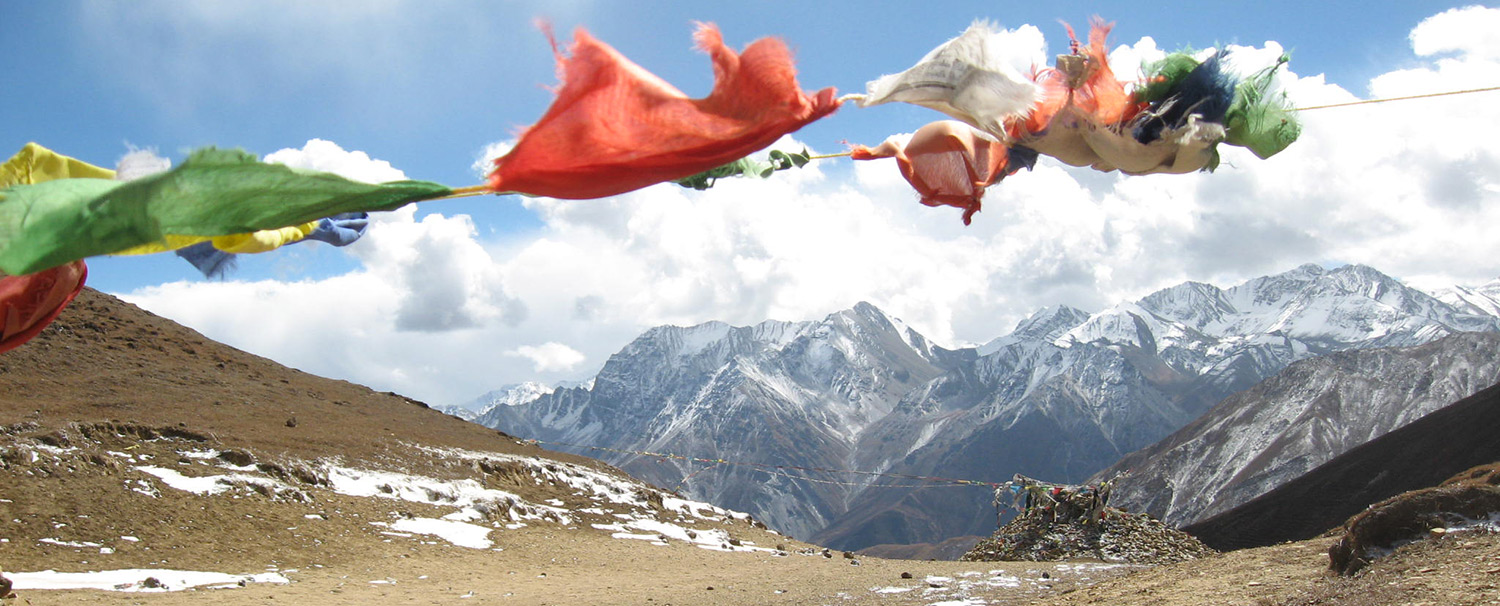
The Lhosar & Puja: Before any expedition or major event, a Puja (blessing ceremony) is mandatory to appease the local spirits. You’ll notice Mani walls (stone carvings) and prayer flags each color representing an element (Earth, Water, Fire, Air, Space).
8. Polyandry: A Rare Himalayan Adaptation
In the high-altitude deserts of Dolpo or Humla, fraternal polyandry (one woman marrying multiple brothers) was a pragmatic survival strategy.
Why it exists: It prevented the fragmentation of scarce cultivable land and ensured that one husband could travel for trade while another stayed to manage the farm. While fading, it remains a fascinating study in how geography dictates social morality.
9. A Calendar of Festivals (Jatras)
Nepal has more festivals than days in a year. From the colors of Holi to the lights of Tihar (the festival of animals and lights), life is a cycle of celebration.
The Social Fabric: Festivals aren’t just parties; they are the dates when social debts are settled, family bonds are renewed, and oral histories are passed down through masked dances and music.
10. Food as a Bond: The Culture of Dal Bhat
“Dal Bhat Power, 24 Hour” is more than a trekker’s slogan. The act of eating together often sitting on the floor in a circle signifies equality.
The “Jutho” Concept: Nepalis are very strict about Jutho (contamination). Once you touch food to your mouth or your plate, it is considered “polluted.” You’ll notice locals pouring water into their mouths without touching the bottle to their lips, a small but vital cultural nuance to mimic!


