
Nepal Tibet Trekking Touching soul of the Himalayas
20 - Excellent
Based on 1 Review
Price Starts from
per person based on 2 PAX


A Journey Through Nature, Culture, and Sacred Himalayan Landscapes
The Langtang Gosaikunda–Helambu Trek is one of Nepal’s most diverse and spiritually enriching trekking routes. Located north of Kathmandu inside the beautiful Langtang National Park, this trek combines three remarkable regions in a single adventure: the breathtaking Langtang Valley, the sacred alpine lakes of Gosaikunda, and the culturally rich villages of Helambu.
This trek offers a perfect balance of Himalayan scenery, traditional mountain culture, and spiritual experience. It is an ideal choice for travellers seeking a meaningful trekking journey that goes beyond mountains and landscapes.
1. Beautiful Langtang Valley
The journey begins with a scenic drive from Kathmandu to Syabrubesi, the gateway to the Langtang region. As the trail gradually climbs through dense forests of rhododendron, oak, and bamboo, trekkers pass through traditional Tamang settlements where ancient Himalayan traditions remain alive. The valley opens dramatically as you approach the stunning landscapes around Kyanjin Gompa, a peaceful spiritual centre surrounded by snow-covered peaks.
Here you can explore glaciers, ancient monasteries, and enjoy breathtaking views of towering Himalayan giants, including Langtang Lirung.
2. Sacred Gosaikunda Lakes
Leaving Langtang Valley, the trail ascends toward the holy lakes of Gosaikunda, one of the most sacred pilgrimage sites for both Hindus and Buddhists. According to Hindu mythology, these lakes were created by Lord Shiva when he struck the mountain with his trident to obtain water after swallowing poison.
The main lake, Gosaikunda, lies at an altitude of about 4,380 meters and is surrounded by dramatic alpine scenery. During the festival of Janai Purnima, thousands of pilgrims travel here to bathe in the holy waters.
3. Crossing Laurebina La Pass
One of the most exciting moments of the trek is crossing the high mountain pass of Laurebinayak La Pass (4,610m). From the top, trekkers are rewarded with spectacular panoramic views of the Himalayan ranges, including Ganesh Himal, Manaslu, and distant views of Annapurna.
The pass connects the Langtang region with Helambu and offers a thrilling sense of accomplishment for trekkers.
4. Cultural Trails of Helambu
Descending from the high pass, the trail enters the peaceful highlands of Helambu, a region known for its ancient monasteries and the unique culture of the Helambu people. Trekkers pass through charming villages, terraced fields, and peaceful forests while experiencing warm local hospitality.
This section of the trek provides a gentle cultural finish to an adventurous Himalayan journey.
The trek passes through the diverse ecosystems of Langtang National Park, home to rare wildlife such as the Red Panda, Himalayan black bear, musk deer, and even the elusive Snow Leopard. Bird lovers can also enjoy sightings of Himalayan pheasants and other mountain bird species.
In spring, the forests bloom with colourful rhododendrons, while autumn offers crystal-clear mountain views and stable trekking conditions.
The Langtang Gosaikunda–Helambu Trek is more than just a mountain journey. It is an experience that blends adventure, spirituality, and authentic Himalayan culture. Trekkers walk through quiet forests, cross high mountain passes, visit sacred lakes, and share moments with welcoming local communities.
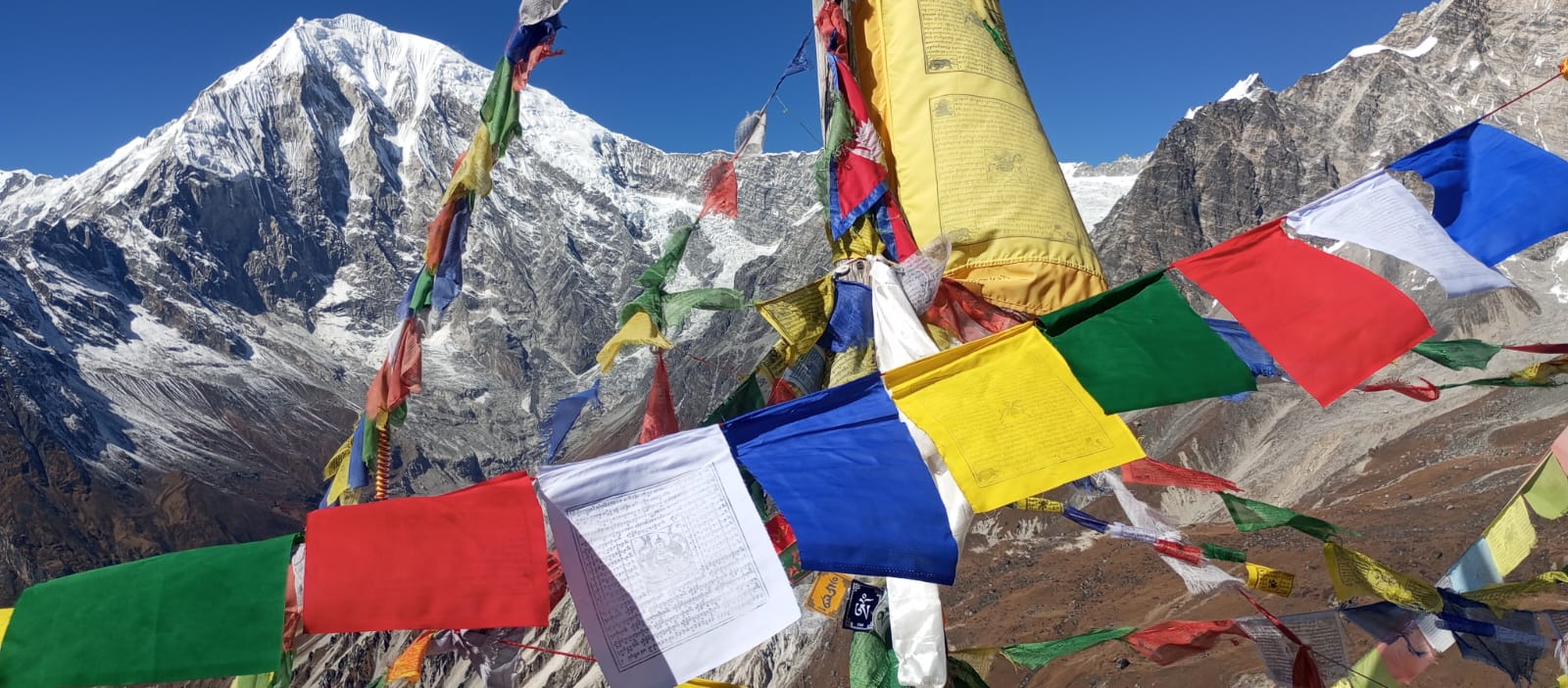
Every step reveals a new story from ancient monasteries and prayer flags fluttering in the wind to breathtaking Himalayan panoramas.
For travellers seeking a trek that combines natural beauty, cultural discovery, and spiritual depth, the Langtang Gosaikunda–Helambu Trek is truly one of Nepal’s most rewarding Himalayan adventures.
Day 01:Arrival in Kathmandu
Day 02:Sightseeing in Kathmandu
Day 03:Kathmandu to Syabru Besi 1400m.
Day 04:Syabru Besi to Lama Hotel 2470m.
Day 05:Lama Hotel to Langtang Village 3430m.
Day 06:Langtang Village to Kyangjing 3870m.
Day 07:Explore around Kyangjing
Day 08:Kyanjing Gompa to Lama Hotel 2470m.
Day 09:Lama Hotel to Thulo Syabru 2250m.
Day 10:Thulo Syabru to Singgompa/Chandanbari 3330m.
Day 11:Singgompa to Lauribinayak 3910m.
Day 12:Lauribinayak to Gosinkunda 4380m.
Day 13:Gosinkunda Pass (4610m) to Ghopte 3430m.
Day 14:Ghopte to Melamchi Gaon via Tharepati 3690m.
Day 15:Melamche Gaon to Tarkegyang 2600m.
Day 16:Tarkegyang to Shermanthang 2590m.
Day 17:Shermanthang to Melamchi Pul Bazaar 870m.
Day 18:Melamche Pul Bazar to Kathmandu
Day 19:Rest and other activities in Kathmandu
Day 20:International Departure
All necessary trekking permits will be handled and arranged by your trekking service provider, ensuring a hassle-free experience.
Teahouses along the trail provide basic yet comfortable rooms, usually with twin beds, blankets, and a shared bathroom.
During the Langtang Gosaikunda- Helambu Trek, trekkers can enjoy a surprising variety of local and international dishes served in cozy teahouses and lodges along the trail. Meals are freshly prepared, nutritious, and designed to provide the energy needed for long trekking days in the Himalayas.
Typical Meals:
Dal Bhat: The classic Nepali meal of steamed rice, lentil soup, and vegetable curry — healthy, filling, and unlimited in most teahouses.
Momo: Delicious Nepali dumplings stuffed with vegetables or meat, often served with a spicy dipping sauce.
Noodles and Pasta: Stir-fried or soupy noodles, and pasta with vegetables, egg, or meat.
Fried Rice: A popular dish made with rice, seasonal vegetables, eggs, or meat.
Pancakes & Porridge: Sweet or savory options, perfect for breakfast, made with wheat or buckwheat flour.
Western Dishes: Items like pizza, omelets, and toast are available in most teahouses, often with a local touch such as yak cheese or homemade jam.
Snacks & Beverages:
You’ll find tea, coffee, hot chocolate, soft drinks, beer, and occasionally local wines. However, prices increase with altitude due to transportation costs. It’s a good idea to bring energy bars, nuts, or chocolate for quick snacks on the trail.
Water:
Boiled or bottled water is available at teahouses, but it’s strongly recommended to carry water purification tablets or a portable filter to ensure safe drinking water throughout the trek.
Note: We humbly request that you don’t drink/eat milk and meat items (hot chocolate, milk coffee, and milk tea) because milk is powder and not boiled.
Like the majority of the treks, the Langtang Gosaikunda- Helambu Trek offers you accommodation in tea houses with basic facilities. Every Tea house has a menu, and you can make your own choice. But most of the foods are dominated by the Nepali Dal-Bhat and similar meals. Our guide will suggest you select fresh, hygienic, and trek-suitable food.
Essential Gear for the Langtang Gosaikunda- Helambu Trek
When preparing for the Langtang Gosaikunda- Helambu Trek, having the right gear is crucial for comfort, warmth, and safety in the Himalayas. Here’s a complete combined list of must-have items:
Clothing:
Pack warm, layered clothing suitable for changing mountain weather. Include thermal underwear (3 pairs): Choose breathable, moisture-wicking underwear made from merino wool or synthetic fabrics to maintain comfort and hygiene throughout the trek. Trekking Shirts (4): Pack a mix of short and long-sleeved shirts made from lightweight, quick-drying, and moisture-wicking fabrics like merino wool, polyester, or nylon. These materials keep you comfortable and dry during long hikes. (Avoid cotton, as it retains moisture.), a fleece jacket, a down jacket, gloves, socks (4 pairs), trekking boots, a sleeper, hiking pants, and a waterproof jacket and pants to stay protected from cold and wind.
Headwear:
Keep your head and face protected with a warm hat, sun hat, sunglasses, and a scarf or buff to shield against sun, wind, and dust.
Sleeping Bag:
Carry a warm sleeping bag rated to at least -10°C (14°F) to ensure comfortable rest during chilly nights at higher altitudes.
Trekking Poles:
Use adjustable trekking poles to reduce knee strain and provide stability while walking on steep or uneven terrain.
Camera, trekking bag (70 ltrs, and day bag 10 ltrs) and headlight
First Aid Kit:
Always pack a basic first aid kit, including altitude sickness medication, bandages, pain relievers, and antiseptic cream to handle minor injuries or altitude-related symptoms.
Passport
Travel insurance (including high-altitude rescue)
Some cash

BK L
October 20, 2014
Fill the form below for your interest